Foundations of Good Pharmaceutical Practices
Definition and Objectives of Good Pharmaceutical Practices (GPP)
All pharmacists, including those practising in hospital pharmacies (PUI), must ensure a high level of quality in their practices. It is therefore their responsibility to uphold professional excellence in the service of public health. Good Pharmaceutical Practices (GPP) translate this principle into action by ensuring the quality of pharmaceutical preparations in the daily healthcare environment.
In line with international recommendations, national standards must be established to continuously improve pharmaceutical practice. In France, for instance, the decision of 2 August 2023 by the National Agency for Drug Safety (ANSM) sets a new binding framework for hospital pharmacies regarding Good Preparation Practices (GPP). This strengthens the requirements introduced in 2007, particularly concerning risk analysis, enhanced controls, staff training, and limitations on batch production volumes, as also highlighted by the National Pharmacists' Association.
Thus, GPP currently serve as a binding standard for hospital pharmacists: they define requirements for traceability, safety, and compliance at every stage of the medication process. Their application is a vital means of risk management.
Regulatory Framework for Good Pharmaceutical Practices (GPP)
The requirements of member countries align with European practices.
In France, the alignment of the 2023 GPP framework with Annex 17 of the GMP guide on real-time release demonstrates a shared concern for regulatory harmonisation at the European level.
Similarly, in Belgium, for example, the Federal Agency for Medicines and Health Products (AFMPS) published a similar guide in 2009 setting similar requirements for sterile and non-sterile preparations for hospital use.
These regulatory alignments show a common intention to harmonise practices on robust scientific and qualitative foundations. Today, the hospital pharmacist is encouraged to adopt a culture of evidence rather than a process-focused culture, justifying each decision with traceable and defensible data.
This stance requires organisational adaptation: standardised documentation, enhanced training, proactive risk management, and the use of effective analytical control systems.
Good Manufacturing Practices in the Pharmaceutical Industry
Main Principles of GMP
Good Manufacturing Practices (GMP) govern the production of medicines according to strict standards. They aim to ensure consistent quality of pharmaceutical products at every stage of their manufacture, from the receipt of raw materials to the release of batches. These standards are primarily defined by European regulations, notably the EU Good Manufacturing Practice guide located in the volume 4 of EudraLex, and by World Health Organization recommendations, as detailed in the technical guide TRS 986, Annex 2.
The fundamental principles of GMP also apply to PUI as some of their preparations demand high criticality, especially cytotoxics, sterile products, or medicines under ATU. For each stage, procedures must be validated, equipment qualified, facilities controlled, and operators trained.
Component | Requirements |
|---|---|
Products | Compliance with physicochemical specifications |
Processes | Documentary validation, in-process control |
Facilities | Clean environment, controlled pressure, zoning |
Equipment | Qualified, maintained, cleaned according to validated SOPs |
Staff | Trained in GMP, authorised, subject to competency monitoring |
In France, within PUI, these requirements are adjusted by the ANSM depending on the type of preparation and the associated risks, as indicated in the 2023 version of the GPP.
Documentation and Release
Within GMP, documentation is not merely an administrative support, but primarily a central element of the quality system. Every stage of manufacturing must be meticulously recorded in a batch dossier, which is then verified by the responsible pharmacist before release. This dossier includes:
the exact list of raw materials used, with their batch number and supplier;
equipment used for each operation, along with their qualification and maintenance status;
results of in-process controls (pH, osmolarity, concentration, sterility, etc.) as well as those carried out at the end of the process;
any observations, deviations, and motivated decisions for release or rejection.
This systematic traceability is essential for ensuring regulatory compliance and enhancing patient safety. In France, the final batch release is under the legal responsibility of the pharmacist, in accordance with article R.5124-36 of the Public Health Code. This pharmacist relies on European Pharmacopoeia requirements and national standards to validate each release in a defensible manner in the event of inspection or audit.
Importance for PUI
In a hospital setting, adherence to GMP is a crucial strategic means to secure treatments, ensure regulatory compliance, and limit discrepancies observed during inspections. Hospital pharmacies (PUI) have to navigate demanding operational realities: high volumetrics, strained teams, diversity of preparations...
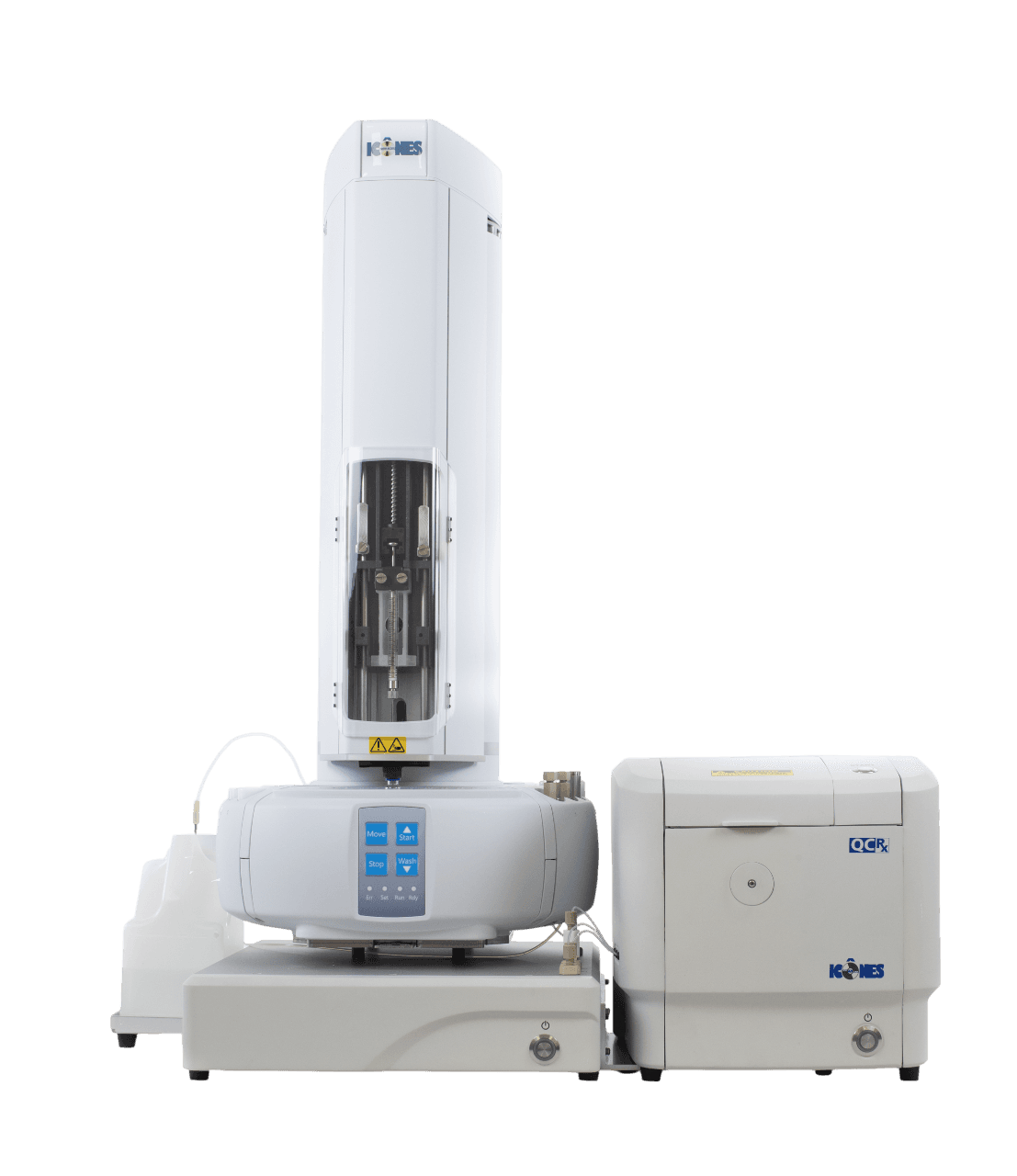
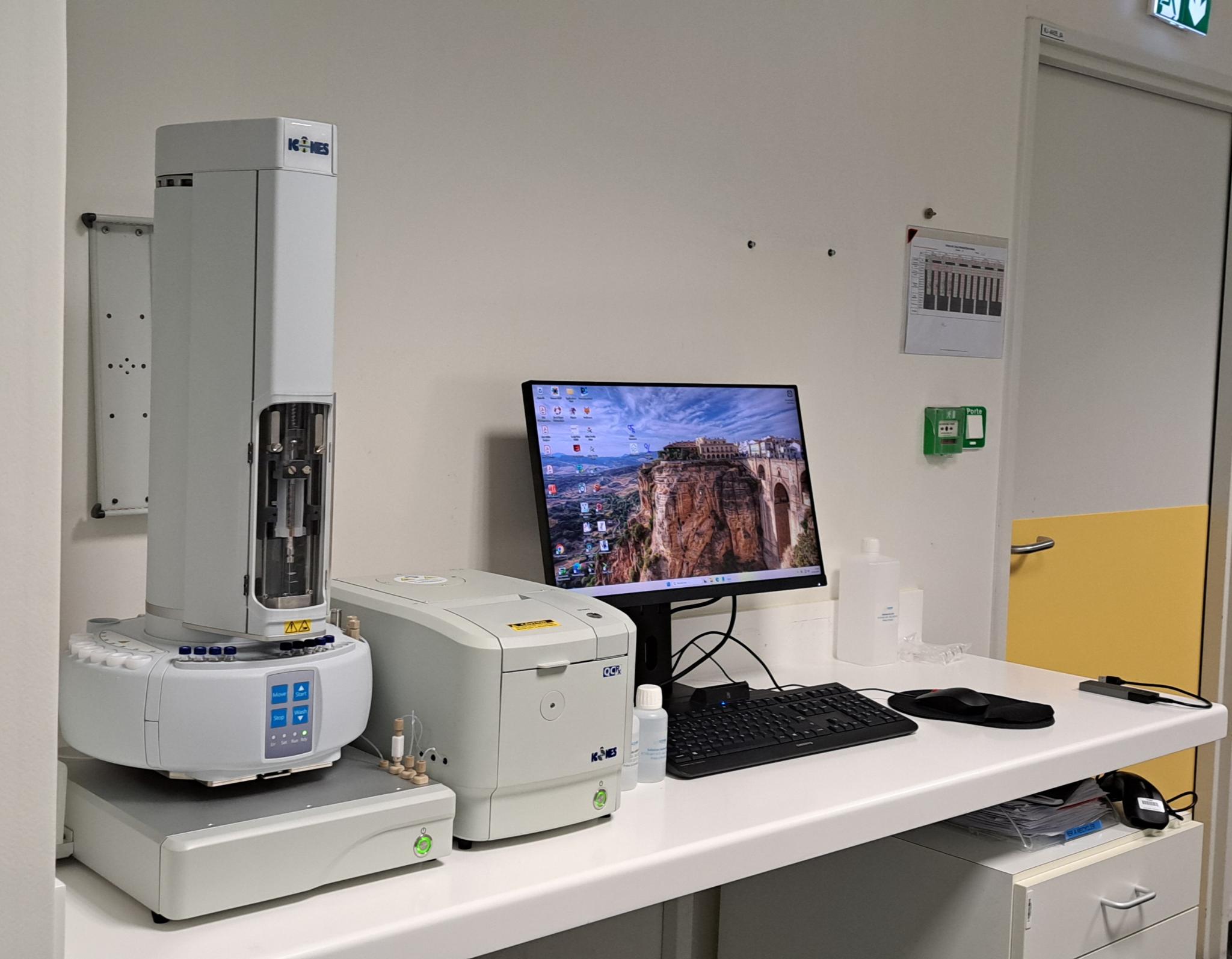
Faced with these challenges, several PUI have adopted suitable analytical control systems, such as internal HPLC, enhanced double manual checks, or more recent devices like the QCRx, allowing bags to be automatically certified, on finished products, in less than 70 seconds. QCRx® offers concrete solutions to the challenges of traceability, efficiency, and robustness expected by health authorities.
Good Practices for Hospital Preparation
Challenges and Scope
Good Preparation Practices (GPP) apply to hospital pharmacies (PUI) undertaking medicinal preparations intended for a patient or a group of patients. These preparations include sterile forms (notably cytotoxics, parenteral nutrition, injectable antibiotics) and non-sterile forms (solutions, capsules, ointments).
The 2023 version of the GPP guide, published by the ANSM, strengthens requirements for PUI on four key points:
A systematic and documented risk analysis approach;
Expanded control of preparations, including subcontracting;
Enhanced training of operators;
A more rigorous definition of batch quantities.
Risk Analysis and Traceability
Each preparation act must be subject to a documented risk analysis, based on the nature of the medicine, the route of administration, the target population, and the complexity of the preparation. Educational appendices integrated into the 2023 GPP guide provide analysis templates and a preparation dossier model.
Each batch must be traced: from receipt of raw materials to release, all stages are recorded, including intermediate controls, any deviations, and release authorisations. This traceability is a central component of compliance and patient protection.
Preparation Controls
Preparation controls may be internal to the PUI or outsourced to external laboratories. The frequency and nature of tests (assay, identification, sterility, pH) are adapted according to the risks.
The responsibility of the PUI is engaged for each released batch. Devices like QCRx® can provide real-time analysis without sampling, with automatic archiving and digital traceability.
Training and Supervision of Operators
The 2023 GPP guide emphasises the importance of continuous training. Minimum frequencies are recommended for staff involved in sterile and toxic preparations. Operators must be regularly evaluated and authorised, with skills traceability in an individual dossier. PUI should also implement suitable supervision to ensure process reliability and strengthen internal quality culture.
Limitation of Production Quantities
Production quantities per batch must no longer be set arbitrarily: they must now correspond to a predictable number of treated patients, over a given period. This criterion aims to limit risks of wastage, prolonged storage, or misuse.
The justification of produced quantities must appear in the preparation dossier, alongside planning and prescription elements. This is a reinforced requirement compared to the 2007 version of the GPP guide.
The implementation of new Good Preparation Practices in PUI requires structural reflection on processes, skills, traceability, and tools. By adopting a risk-based approach, hospital pharmacies equip themselves with a robust framework, aligned with the expectations of ANSM. Support from technologies like QCRx® enables meeting these new requirements while achieving greater efficiency and peace of mind.
Stay connected:
Subscribe to our newsletter
Receive our offers and explore the current products